(And where did it go?)

A few months ago I read a Guardian article announcing ‘The Party is Back!’ This initially seemed a surprise as I was unsure I’d noticed it disappearing, especially as a university student who could, without fail, locate the party multiple nights a week.
Yet, as I read it, thoughts of my own were reflected. Discussing the No Art festival in Amsterdam, the article was reporting on the new policy to package away phones in envelopes and not retrieve them until the close of the festival.
Cue the past few months where my social media has been flooded with promotion and discussion of Ambers Club in Manchester, a venue committed to ‘bringing the party back’ with a no phone policy and unannounced line-ups.
A personal hatred of mine is attending a music event and every single attendant watches it through the little screen in their hands. By doing so they voluntarily give themselves a second row seat to the event they bought tickets for. I also believe, much like fireworks, it is only on the very rare occasion that anyone watches back these videos, especially in a world where many sets are professionally recorded and available online.

Therefore, the notion of clubs and festivals removing this possibility of a sea of screens in front of you instead of the act you paid to see is an extremely exciting one. It removes the feeling of being beholden to your phone and to social media- in a world where pics or it didn’t happen has almost become a reality, posting videos of an event becomes a given. Through removing the need to record and share, clubs can help loosen the grip of the phone and return to a more immersive, in-the-moment experience.
The appearance of clubs such as Amber’s reflects a growing desire for ‘unplugged’ venues in which living in the moment remains the priority, and leaves you questioning why it ever became such that it wasn’t. Part of the beauty of festivals is the disconnection from the outside world, no battery on your phone, and if there is, there is no signal anyway. Forced immersion reveals the beauty.

I believe that phones can create a barrier to experiencing things in real time, and can almost relegate you to a position of passenger.
A secondary benefit of ‘unplugged’ venues allows a freedom of action without worry of being recorded and becoming the next viral sensation. In an age where famous artists are posting videos of fans gurning (see aussie DJs Flight Facilities ‘Iconic Duo’ TikTok) or a video can go viral in a second, a certain freedom of self-expression is lost with the fear of it ending up online. Part of the reason to go to a rave or event is to switch off and distance yourself from everyday life, both of which become impossible under the threat of becoming tomorrow’s viral sensation.
While I don’t believe the party was every truly ‘lost’, I do think that policies being put in place such as the above pave a road back to a less public, more liberated experience of music events which encourage active enjoyment.

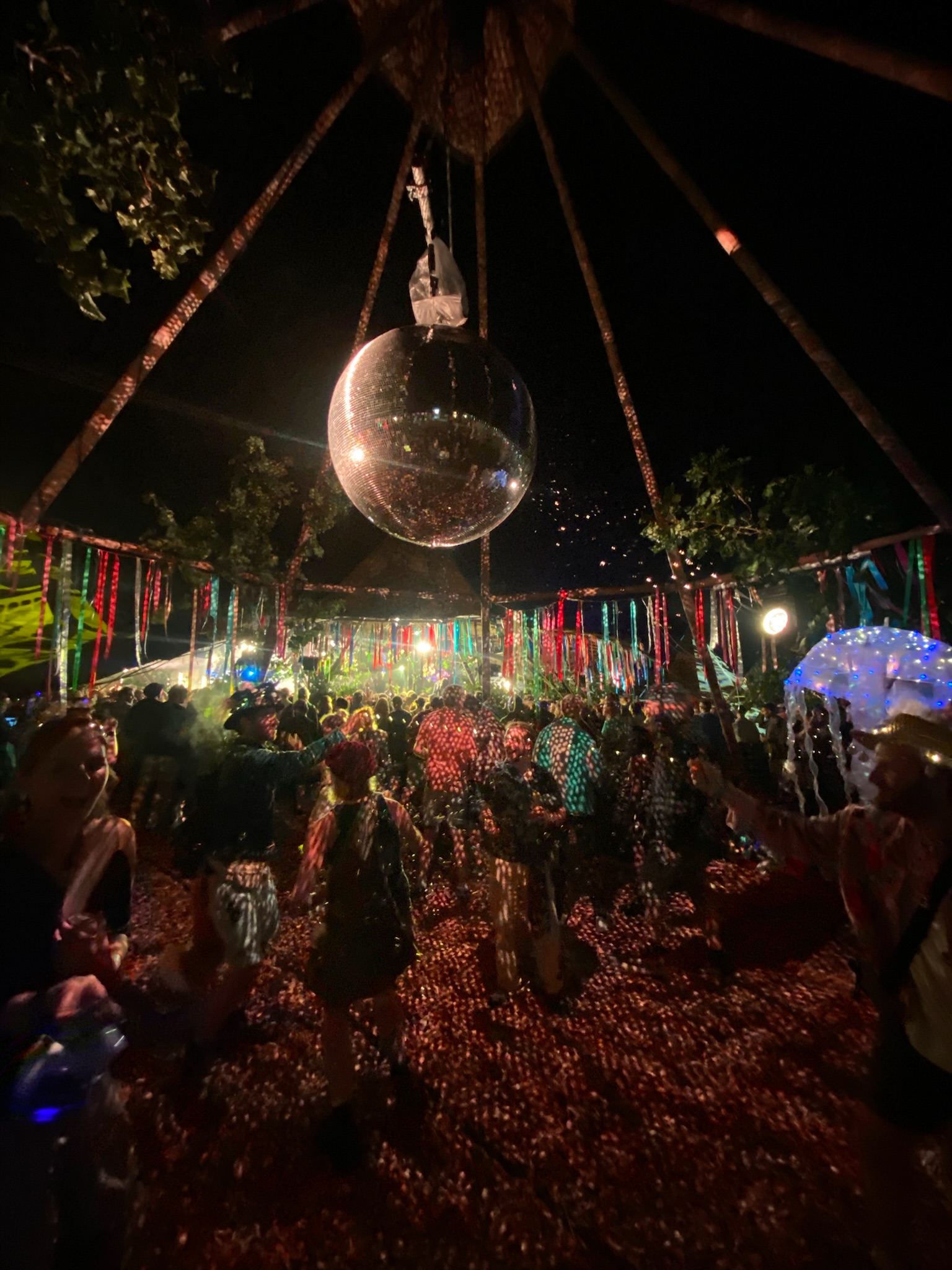
(Entirely aware of the irony of 3/4 of these photos being taken on a phone)
Leave a Reply